

In 2025, architectural trends like minimalism and sustainability are driving a shift toward slimline steel framing over aluminium. Steel now leads high-end residential and commercial glazing, thanks to its performance, sustainability, and long-term value—key in today’s built environment.
The clean lines of modern architecture demand more than visual appeal. Architects are now expected to specify materials that deliver structural integrity, sustainability, and compatibility with advanced glazing. While aluminium has long been the default choice for slim frames, steel is fast becoming the benchmark for discerning designers. Why is steel becoming preferred over aluminium in 2025? The answer: its strength, versatility, thermal performance, and distinctive visual impact.



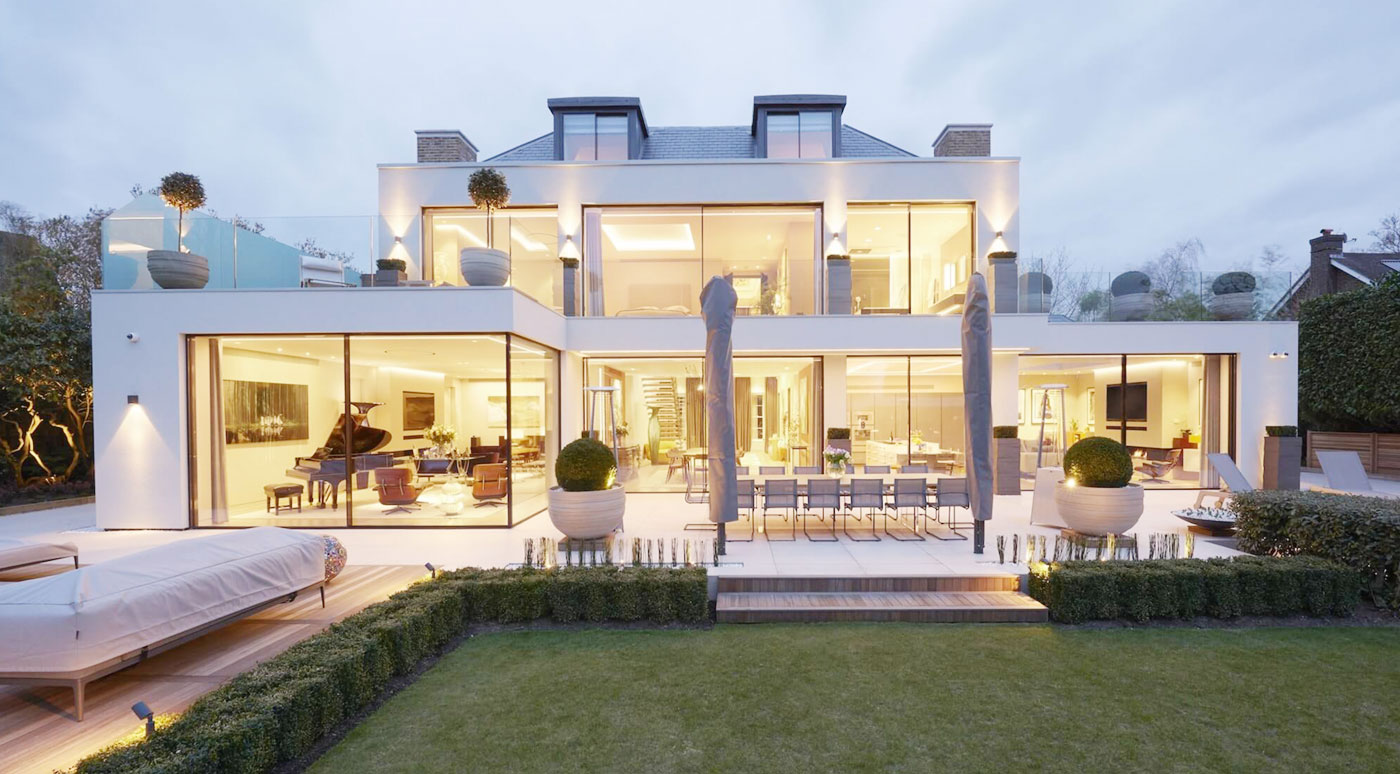
The primary advantage of steel lies in its strength-to-weight ratio. Steel is up to three times stronger than aluminium, which means it can support larger panes of glass with significantly slimmer sightlines. Architects love the fact that with steel, they can achieve expansive glazed sections without compromising on design precision or structural safety.
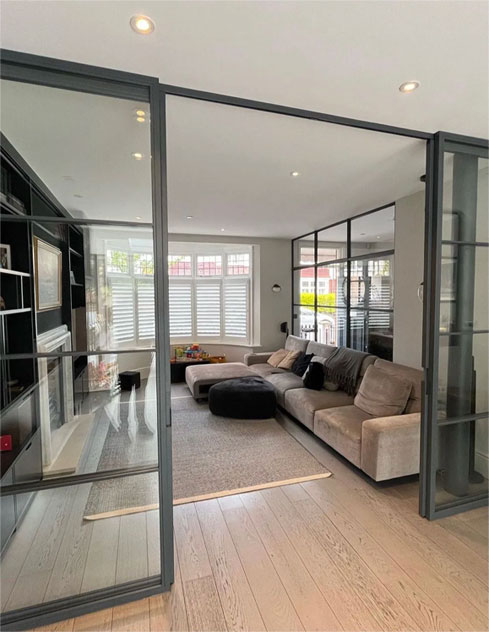
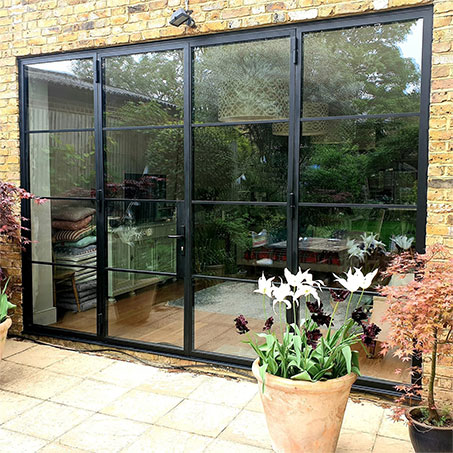
This strength translates into slim, elegant framing that doesn’t need bulk to perform. Where aluminium systems might require chunky profiles to comply with safety standards, steel framing can achieve the same — or better — performance with significantly narrower dimensions. For projects where uninterrupted views and daylight maximisation are paramount, steel wins every time.
In 2025, minimalist design is surging. From new-build homes to heritage renovations, architects specify steel to maximise light, space and form. The thinner the frame, the stronger the connection between interior and exterior. Steel enables that seamless transition.

Longevity That Outlasts Trends
Another reason architects are turning to steel in 2025 is its unrivalled durability. Unlike aluminium, which can corrode or warp over time under certain conditions, steel — especially galvanised or thermally broken steel — offers exceptional longevity. With the correct coatings, steel systems can last over 60 years with minimal maintenance.
This lifespan is significant in long-term architectural planning. Homeowners and developers seek investments that last, and architects respond by specifying materials that meet this expectation. Steel offers peace of mind—timeless, robust, and futureproof.
While aluminium frames may degrade or lose shape under thermal stress, especially in large installations, steel maintains its form. That’s why steel systems are a first choice for premium developments and conservation areas alike. It is a material that performs consistently, regardless of changing environmental conditions.
Enhanced Thermal Performance with Modern Steel Systems
Historically, steel was criticised for its thermal inefficiency. But in 2025, that perception is outdated. Modern thermally broken steel systems now match — and in some cases outperform — aluminium in terms of energy efficiency. Thanks to precision-engineered thermal barriers, Refine’s slimline steel systems offer impressive U-values while maintaining their ultra-thin profiles.
With stricter building regulations and growing emphasis on environmental credentials, architects can no longer afford to specify systems based solely on style. Energy efficiency is a crucial consideration, especially in new builds and renovations targeting Passivhaus or net-zero standards. Steel glazing systems now incorporate cutting-edge thermal breaks that minimise heat transfer without adding bulk. Combined with high-performance glazing, these systems reduce energy consumption, improve comfort, and contribute to long-term sustainability goals. Architects seeking materials that balance form and function are increasingly looking to steel as the solution.

Sustainability and the Circular Built Environment
Sustainability is more than a trend in 2025 — it’s a baseline requirement. Steel is fully recyclable, and many of Refine’s frames are made using a high proportion of recycled content. At the end of their lifespan, steel frames can be reprocessed without loss of quality, unlike some aluminium systems which require complex chemical treatments.
This circular potential makes steel the preferred choice for architects committed to low-carbon construction. It’s not just about reducing energy use during occupation — it’s also about reducing the embodied carbon in the building materials themselves.
Supporting Modern Glazing Innovations
Another reason steel is making waves in 2025 is its compatibility with the latest glazing innovations. From smart glass to triple-glazed acoustic panels, steel frames provide the rigidity and support needed to hold advanced glass units securely in place.
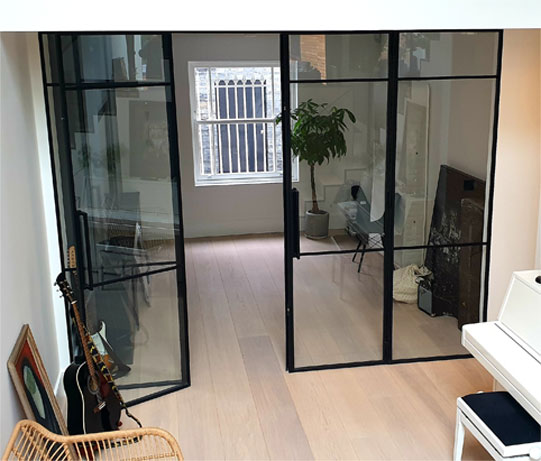
With design trends favouring larger panes and more complex installations, steel remains structurally dependable. Architects know that specifying steel means they can push the boundaries of design without worrying about bowing, warping, or mechanical failure. Steel supports creativity without compromise. At Refine, our custom steel systems are designed to accommodate even the most ambitious architectural visions. Whether it’s a double-height curtain wall or a series of pivoting internal doors, we work alongside architects to bring those designs to life — with precision, performance, and beauty.
The Future Is Steel
In 2025, architects are prioritising materials that deliver strength, aesthetics, energy efficiency, and sustainability. While aluminium still plays a role, slimline steel has become the preferred option for high-spec, design-led projects. Steel delivers best-in-class performance and enduring visual impact.
Refine leads this shift with bespoke steel systems, blending engineering excellence and elegance so architects can design with confidence.
Contact us to see how our slimline steel systems can elevate your project and stand the test of time.
